Ever catch your skin looking a little dull, feeling unusually tight, or just acting differently than it normally does? You're probably wondering is my skin dry, or is it dehydrated? The two can look nearly identical at first glance, but they're not the same thing, and they don't respond to the same care. Dry skin is a skin type. Dehydrated skin is a temporary condition. Once you know which one you're dealing with, choosing the right texture, whether that's a rich cream or a weightless gel, gets a lot easier.
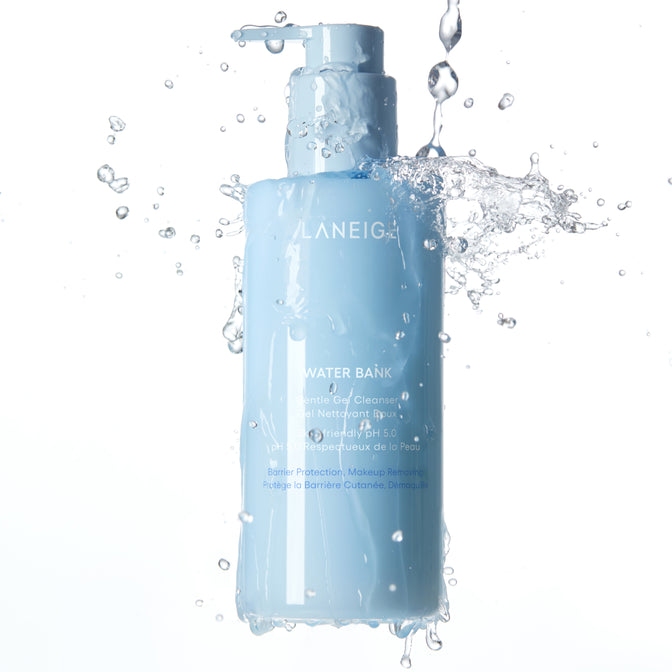
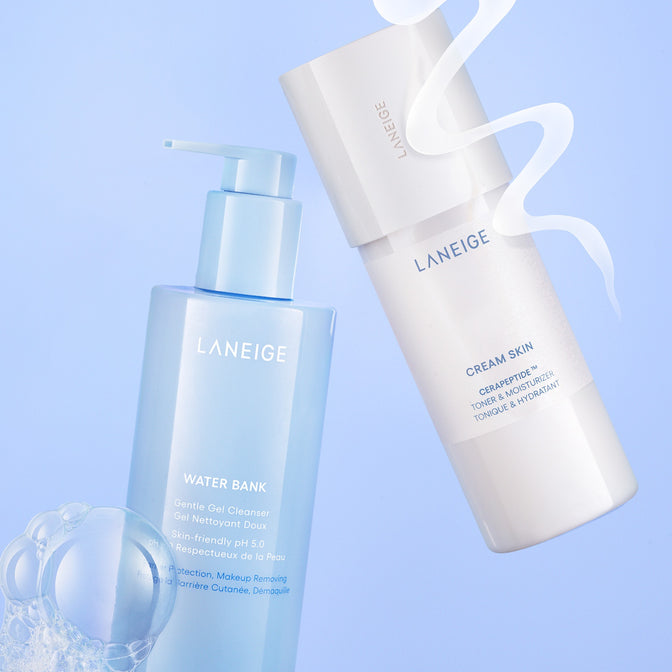
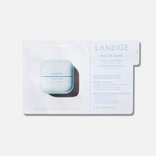
At LANEIGE, hydration isn't just one step in a routine—it's the whole point. Our Korean labs have spent years studying how water moves through skin, which is why we've created our Water Bank collection in a variety of formulas to suit different skin needs. It's built around our signature Blue Hyaluronic Acid, formulated with smaller molecules so it can travel deeply and support hydration more efficiently than regular hyaluronic acid. Whether skin wants a rich, barrier-supporting cream or a fast-absorbing gel comes down to this one distinction: dry versus dehydrated.
Consider this your no-guesswork guide: what each one actually is, how to spot the difference, and which textures and ingredients help.
What Is Dry Skin? Definition and Characteristics
Dry skin is a skin type that naturally produces less oil than average. Because of that, it often feels tight, can look matte or rough, and may flake more visibly, especially after cleansing or in cold weather. If your skin only feels comfortable under a rich layer of cream, dry skin is likely part of your baseline.
Signs that you have dry skin
- Persistent tightness, especially after washing
- Flakiness or visible dry patches
- A duller, more matte look
- Skin that feels refreshed by creamier, more nourishing formulas
- Makeup that clings to dry areas or looks uneven
Dry skin tends to respond well to formulas that support moisture retention and leave a cushiony feel, which is where richer moisturizers shine. If you need help figuring out your skin type, you can use our guide to help you.
What Is Dehydrated Skin? Definition and Characteristics
Dehydrated skin isn't a skin type, it's more like weather: temporary and quick to shift. It happens when skin is lacking water, not oil.
Dehydrated skin can affect any skin type, including oily and combination skin. It often shows up after overcleansing, exposure to dry air, or those times when you might have let your skincare routine slip. The result is skin that looks a little tired, feels tight in places, and seems less plump or glowy than usual.
What does dehydrated skin look like?
- Tightness that may come and go
- Skin that looks dull, tired, or less supple
- Fine, dry-looking lines that seem more noticeable
- Roughness in some areas (not always flaky)
- Oily skin that still feels thirsty or uncomfortably tight
What helps here isn't more oil, it's more water—lightweight hydration like serums, gels, and water-cream textures that refresh without adding heaviness.
The Key Differences Between Dehydrated vs. Dry Skin
The easiest way to remember dehydrated vs dry skin is:
- Dry skin = lacks oil
- Dehydrated skin = lacks water
How to tell the difference at a glance
Dry skin tends to feel consistently dry in the same areas, often the cheeks and jawline, day after day. Dehydrated skin can feel tight while still looking shiny in the T-zone, and it tends to fluctuate with weather, cleansing habits, or a change in routine.
- If skin is naturally flaky, rough, and chronically uncomfortable, it's probably dry.
- If skin suddenly looks dull, feels tight, and seems out of balance, even in spots that are usually oily, it's probably dehydrated.
The important thing to note is the pattern over time: dry skin is typically a baseline, while dehydration tends to be temporary.
How to Tell if Your Skin Is Dry or Dehydrated
The 60-second self-check
All you need is a mirror and about 60 seconds. After cleansing and patting skin dry, ask yourself:
- Does my skin feel tight almost everywhere?
- Do I see flaking, rough patches, or persistent dryness?
- Does my makeup sit unevenly or cling to certain areas?
- Does my skin look dull or less bouncy than usual?
- Do I feel oily in some places but tight in others?
Mostly yes to the first two? That points to dry skin. Mostly yes to the last three? That points to dehydration. A little of both is common, especially as the seasons shift.
The pinch-and-observe method
Gently pinch a small area of skin on the cheek. If it looks crepey or seems slow to bounce back, hydration may be part of what it's asking for.
The makeup clue
Dry skin tends to make makeup catch on flaky patches and look textured. Dehydrated skin can make makeup look flat or patchy instead, since the surface may not feel as smooth or supple as usual. If your base that looked flawless at 9AM is looking tired by 2PM, your skin is probably asking for more hydration.
How to Care for Dry Skin vs. Dehydrated Skin
For dry skin: choose deep moisture support
If skin is dry, look for formulas that support your moisture barrier and leave a plump, dewy finish without pilling or sitting heavy. Creams and balms work best here since they help ease the look of roughness and keep skin hydrated well past application.
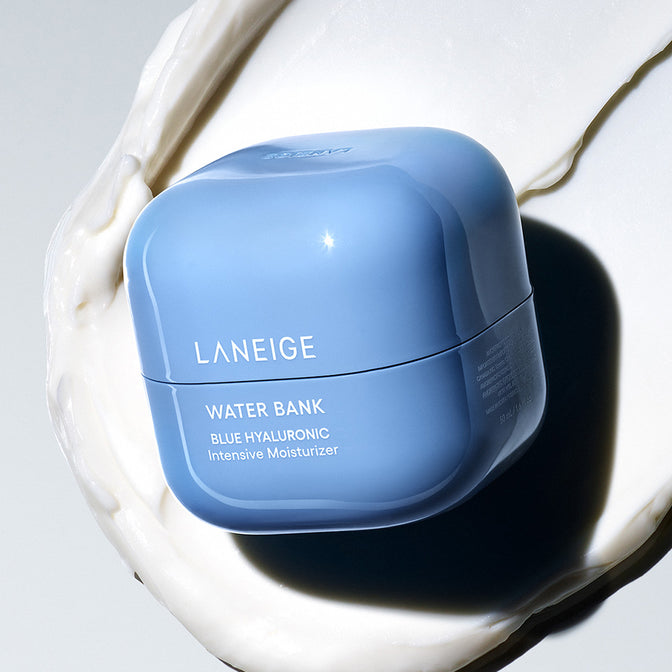
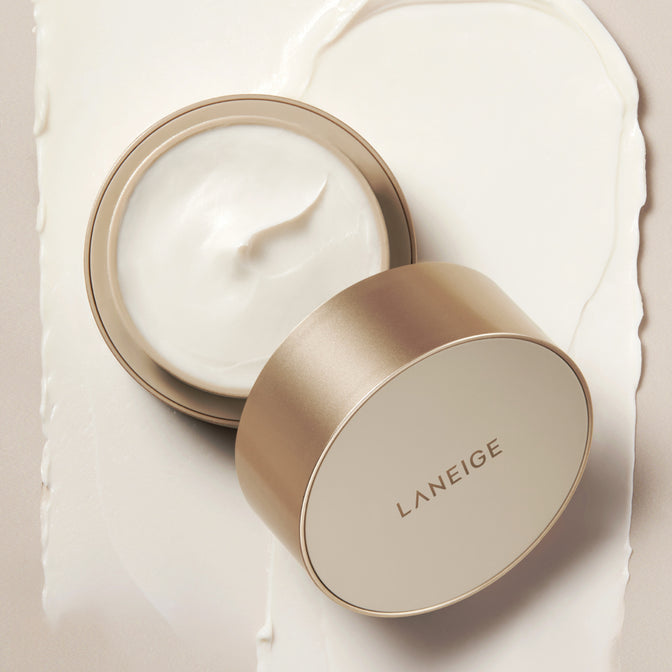
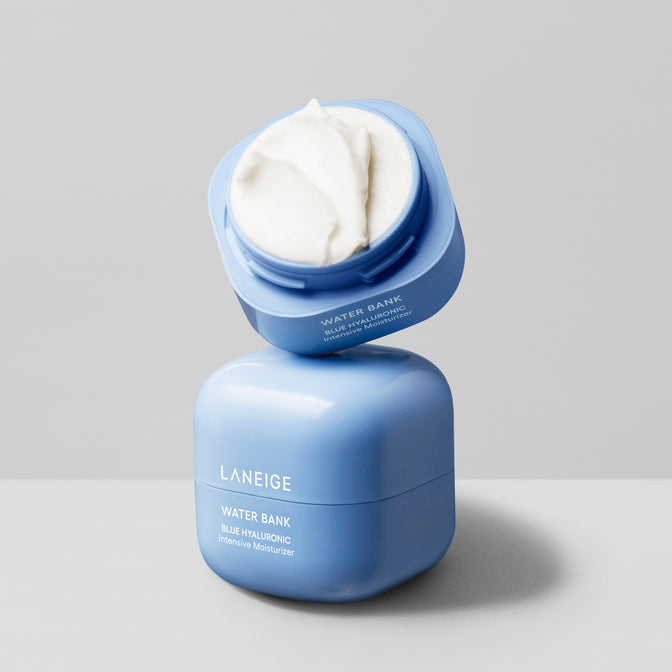
Our Water Bank Blue Hyaluronic Cream Moisturizer was made for exactly this kind of skin—dry skin that wants something quenching, but never heavy or greasy. It delivers deep, barrier-boosting hydration in a silky texture that melts into your skin instead of just sitting on top. If your skin is very dry and sensitive, we recommend an even thicker formula like our Intensive Moisturizer, which deeply replenishes the skin's barrier.
For dehydrated skin: reach for lightweight hydration
Dehydrated skin loves hydrating formulations that feel light, breathable, and layerable—think serums, gels, and water-cream textures that sink in fast rather than sit on the surface.
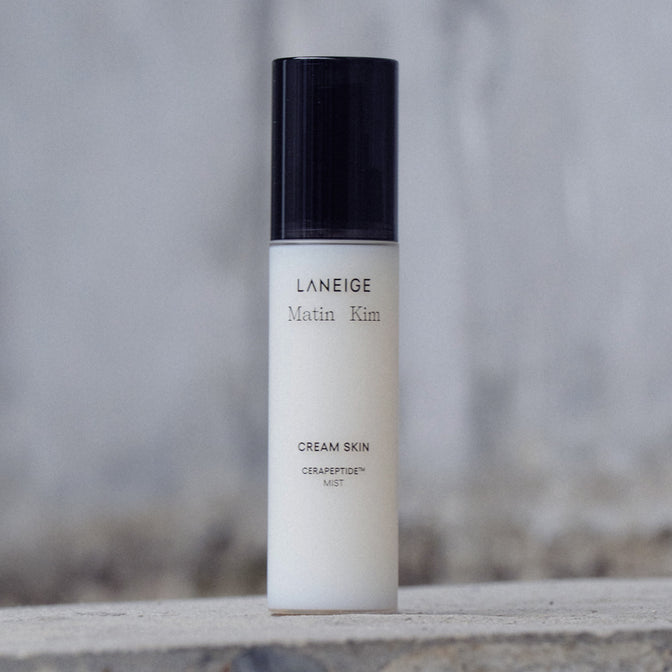
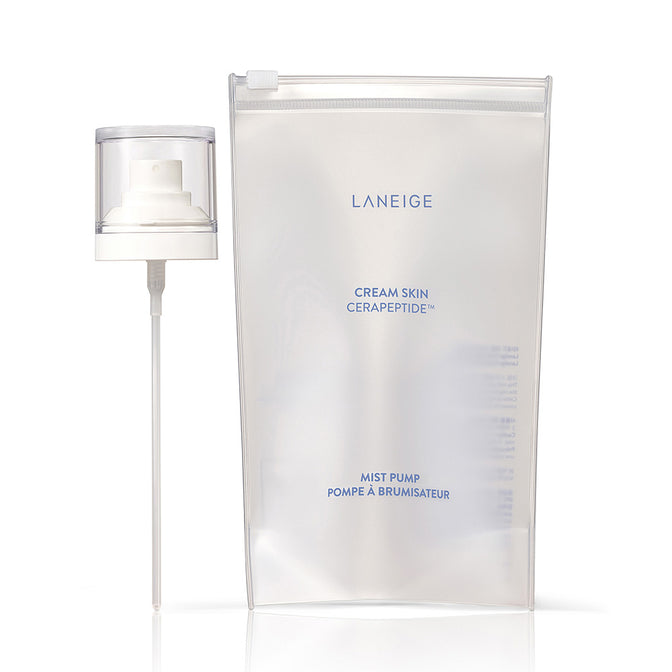
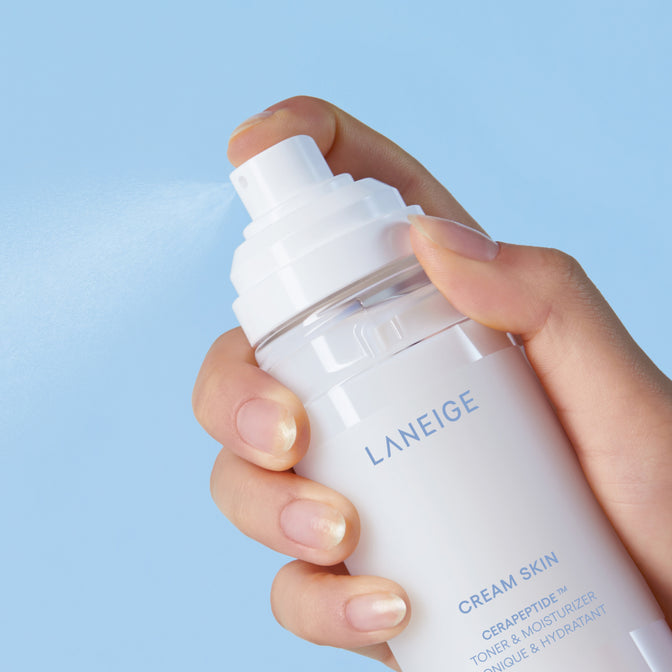
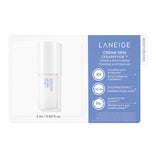
That's the logic behind the lighter-weight moisturizers in our Water Bank collection: the same Blue Hyaluronic Acid, paired with gel and gel-cream textures that deliver hydration without feeling heavy. For even more hydration, layer in Cream Skin, our original Korean milky toner, before your moisturizer.
Which ingredients can be used to treat dry or dehydrated skin?
Not every hydrating ingredient does the same job. Here's how to match what's on the label to what skin is actually asking for:
- Humectants (glycerin, hyaluronic acid): the ones pulling water in and holding onto it, especially helpful for dehydrated skin
- Emollients: the smoothing touch that softens the look and feel of roughness, especially helpful for dry skin
- Occlusives: the seal that keeps existing moisture from evaporating, useful in richer formulas for very dry-feeling skin
- Barrier-supporting ingredients: the soothing influence when dryness and sensitivity show up together
If skin runs dry and sensitive, look for formulas that balance comfort with a lightweight texture, rather than assuming heavier always means more effective.
A simple routine by skin need
If skin is dry:
- Gently cleanse with a creamy, moisturizing cleanser
- Add a hydrating serum, if you'd like'
- Finish with a moisturizing cream or balm-cream for lasting comfort
If skin is dehydrated:
- Cleanse without stripping
- Layer a water-based serum
- Follow with a lightweight gel or gel-cream moisturizer
- Reapply hydration as needed, based on climate and routine
Dry vs. dehydrated skin really comes down to one question: does it need more oil, or more water? Get that right, and the rest of your routine falls into place. Dry skin loves richer, more moisturizing textures. Dehydrated skin prefers light, layerable hydration. And if skin is doing a little of both, that's common too. It's easy to adjust with the seasons rather than committing to one texture for good. At LANEIGE, we pride ourselves on offering you a variety of textures and formulas to meet your skin wherever it's at.