If you've ever wondered what your skin barrier actually is and why it matters so much, start here: it's the outermost layer of your skin, the part that holds moisture in and keeps all the pollution from the outside world at bay. When it's balanced, skin tends to look smoother, softer, and more radiant. Makeup glides on more easily, and dry patches show up less.
This is where hydration becomes more than a beauty buzzword. A healthy skin barrier supports a comfortable, dewy-looking complexion, and that's exactly why LANEIGE has spent decades studying Water Science: how moisture moves, lingers, and settles into skin's surface. That hydration-first approach shows up in formulas designed with one goal: skin that holds onto water more effectively over time. Below, we'll break down the biology clearly, so you can understand your skin barrier and care for it with intention.

The Anatomy of the Skin Barrier
The part of skin most people mean when they say "skin barrier" is the stratum corneum. Picture it as a finely arranged wall of skin cells and lipids that keeps hydration at the surface. What makes up the skin barrier, exactly? Two things: the skin cells at the top layer, and a lipid matrix made of ceramides, cholesterol, and fatty acids.
A simple way to picture it: think bricks and mortar. Your skin cells are the bricks. The mortar is the lipid layer holding them together. Ceramides make up a key part of that mortar, reinforcing the barrier and giving skin a smoother, more comfortable look. This layered structure is what lets skin hold onto moisture from the inside while keeping irritants, pollution, and other outside stressors from getting in.
What is the skin barrier, exactly?
At a practical level, the skin barrier is your skin's first line of surface defense. It limits moisture loss to keep skin feeling smoother and more hydrated. When people talk about skin barrier protection, they usually mean routines and ingredients that keep this top layer hydrated and balanced, often with barrier-supporting ingredients like ceramides, calming ingredients like allantoin, and moisture-binding hydrators like glycerin.
How Your Skin Barrier Protects Your Skin from External Aggressors
Your skin deals with a lot during the day: dry indoor air, wind, dust, makeup, and pollution. The barrier's job is to keep those everyday aggressors from making skin look dull or feel tight.
A healthy skin barrier tends to look more even and react less to environmental stressors. That can translate to a more supple texture and a glow that comes from within. This is why formulas with soothing, barrier-fortifying ingredients, like our Pepta-Panthenol Complex™, designed to visibly firm, soothe, and fortify skin's moisture barrier, are often central to modern hydration-focused routines.
How do I know if my skin barrier is damaged?
You'll usually notice tightness after cleansing, flaking, increased sensitivity or skin that looks dull and thirsty no matter how much moisturizer you apply. These are signs your barrier may need more supportive hydration and fewer potentially irritating products.
What Causes Transepidermal Water Loss?
Transepidermal water loss, or TEWL, is the natural movement of water from inside your skin out into the air. Everyone experiences it. The issue isn't that TEWL exists. It's that certain factors push skin to lose more water than it can comfortably hold at the surface.
Common contributors include:
- Frequent or harsh cleansing
- Very dry climates or indoor heating
- Hot water exposure
- Overuse of exfoliating products
- Skipping moisturizer
- Environmental stress from wind, sun, or pollution
When water escapes too quickly, skin can look less hydrated and feel tighter than it should. That's why hydration-focused routines matter: pairing water-binding hydrators with barrier-supporting ingredients keeps moisture where it belongs, so skin stays plump and hydrated for longer.
How to Maintain and Protect a Healthy Skin Barrier
The most effective barrier-support routines are usually the simplest ones: gentle, consistent, and hydrating rather than aggressive or high-maintenance.
What helps build the skin barrier?
"Building" your barrier really means supporting it: gentle cleansing, smart hydration, and ingredients your skin already recognizes. Look for formulas that lock moisture in, leave skin feeling soft instead of tight, and smooth over rough, dry patches.
The LANEIGE approach leans on ingredients that mirror your skin's own moisture-retaining system, including Glycerin, Squalane, Peptides, Panthenol, and Beta-Glucan. These hold onto water for steadier hydration and cut down on water loss. Our targeted complexes carry this further: Pepta-Panthenol Complex™ visibly firms, soothes, and fortifies your skin barrier.
A few small changes that add up:
- Cleanse with a non-stripping formula
- Apply moisturizer while your skin is still slightly damp
- Layer hydration to keep skin feeling supple
- Skip the over-exfoliating
- Stay consistent, especially in dry weather or after travel
Choosing the right moisturizer matters here, too. Our hydration-first formulas pair barrier-reinforcing ceramides with humectants like glycerin and panthenol, so skin feels fresh and has that glowy, glass skin look.
A routine for Skin barrier protection
A barrier-friendly routine doesn't need to be complicated. The best ones are almost boringly simple: cleanse gently, hydrate generously, and let a good moisturizer do the heavy lifting. Center your routine on moisture, and skin looks calmer, bouncier, and ready for its close-up under makeup.
To keep that hydration sealed in, look for a blend of:
- Barrier-strengtheners like Ceramide
- Soothers like Allantoin
- Natural Moisturizing Factors-style hydrators like Glycerin, Squalane, Peptides, Panthenol, and Beta-Glucan, which hold onto water for steadier hydration and minimize moisture loss
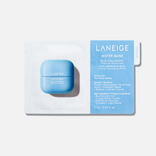
Our Water Bank Blue Hyaluronic Cream Moisturizer brings almost this entire list together in one formula: Ceramide, Allantoin, Glycerin, Squalane, and Beta-Glucan, plus Pepta-Panthenol Complex™ for extra soothing and support.
The Role of Micro-Hydration Science in Barrier Defense
Hydration isn't just about adding water to the skin's surface. It's about moving moisture where it's needed and keeping it there longer. Micro-hydration science is what makes that possible.
LANEIGE has spent decades on Water Science, studying how moisture behaves on the skin. That expertise shows up in lightweight formulas that leave skin looking dewy, plumped with hydration, awake, and hydrated for the long haul.
Why micro-sized hydration matters
Smaller hydrating molecules layer more easily and feel lighter on skin. Our LANEIGE Blue Hyaluronic Acid is algae-fermented and microsized, made to absorb quickly and deeply for hydration that lasts. It also reinforces the barrier and helps block water loss more effectively than regular hyaluronic acid. The result is moisture that feels breathable, never heavy.
This matters most under makeup or in a pared-back routine. When your skin is well-hydrated, foundation glides on instead of clinging to dry patches, and your whole face looks more glowy and plumped with hydration.
When you understand your skin barrier, it changes how you approach skincare. At LANEIGE, all our formulas are based on our deep understanding of how skin works and what it needs to look and feel its best. Our multi-ingredient products deliver barrier care and everyday hydration in the same step, so you can spend less time on your routine and more time enjoying the results.