Ever put on your usual moisturizer and feel it sting instead of soothe? Or notice your skin flaking, tight, or reactive to products it used to love? You may be dealing with a damaged skin barrier. The good news: it doesn't need a complicated fix. Simplify, soothe, and give your skin a break from anything that's asking too much of it right now. Ahead, we'll walk through the common signs, what causes barrier stress in the first place, and exactly how to bring soothing, low-irritation care back into your routine.
Common Signs and Symptoms of a Damaged Skin Barrier
A damaged skin barrier often shows up like a mood shift in your skin. Products that once felt fine can suddenly sting. Your makeup looks uneven and patchy. Your complexion looks dull, feels rough, or stays dry no matter how much moisturizer you layer on.
What does a damaged skin barrier feel like?
It can feel like:
- Tightness, especially after cleansing
- Stinging or burning when you apply skincare
- Flaking, rough patches, or visible dryness
- Sensitivity to ingredients your skin normally tolerates
- Redness or a flushed appearance
- Skin that feels oily and dry at once
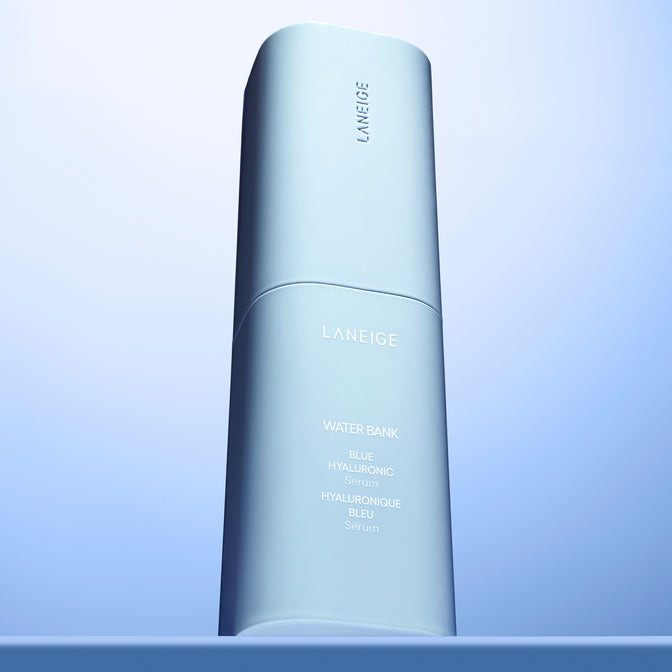
If several of these sound familiar, it's time to ease up. At LANEIGE, we formulate our Water Bank Blue Hyaluronic collection for exactly that moment: soothing enough for a stressed barrier, without piling on more for your skin to manage.
How do I check if my skin barrier is damaged?
You can't assess everything at home, but you can notice patterns in how your skin looks and feels. If your skin turns sensitive after adding multiple actives, over-cleansing, or exfoliating too often, barrier stress is a likely culprit. A simple tell: when your routine starts to burn where it used to feel comfortable, it's time to strip things back.
What Causes a Damaged Skin Barrier?
Your skin barrier wears down under too much, too often. It's rarely one big mistake. It's small stresses stacking up over time.
Common causes include:
- Overusing exfoliants such as AHAs, BHAs, and scrubs
- Layering too many active ingredients at once
- Cleansing too frequently or with harsh formulas
- Hot water, which strips your skin
- Environmental stressors like wind, dry air, or travel
- Skipping moisturizer, or using a formula that doesn't support what your skin needs right now
For many people, the issue isn't one single product. It's cumulative stress. That's why how to repair damaged skin barrier usually means doing less, not more.
How to Care for a Damaged Skin Barrier: Immediate First-Aid Steps
If your skin is stinging, give it a few days of stripped-back care. Right now, comfort matters more than results.
1. Stop exfoliating and pause active ingredients
Set aside:
- Acids, including glycolic, lactic, salicylic, and other exfoliating acids
- Retinoids
- Scrubs and cleansing brushes
- Strong vitamin C formulas, if they sting
- Any treatment product that burns or feels uncomfortable
When people ask how to care for a damaged skin barrier, this is the single most important first step: stop anything that's keeping your skin feeling on edge.
2. Simplify your cleanser
Reach for a gentle, non-stripping cleanser and use it once at night, unless you genuinely need more. In the morning, a rinse of lukewarm water or a very gentle cleanse is often enough for a stressed barrier. We formulate our Water Bank Gentle Gel Cleanser to match your skin's own pH level, so it removes makeup and sunscreen without stripping what your skin needs to stay comfortable. Allantoin soothes, and an amino acid complex supports your barrier while you ease off everything else.
3. Moisturize generously
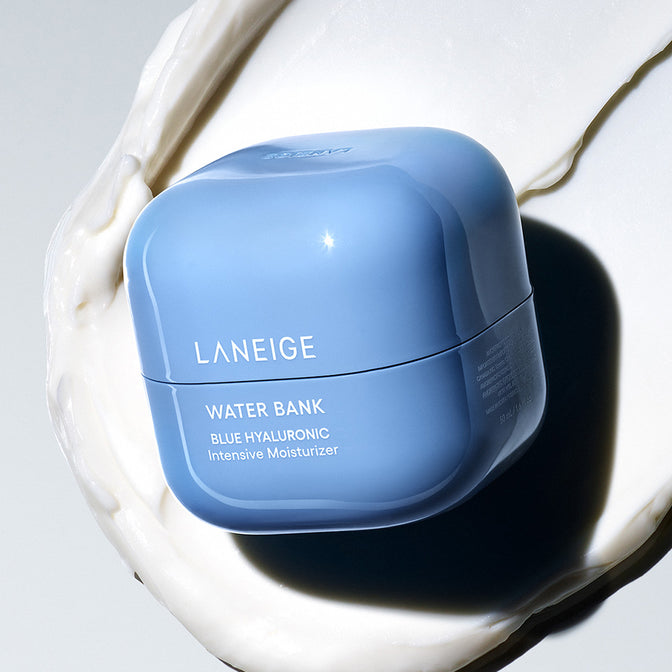
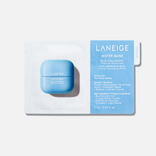
A moisturizer for barrier support should feel comforting. Look for a rich, balm-cream texture that cushions your skin, leaving it soft, moisturized, and less tight. Our Water Bank Blue Hyaluronic Intensive Moisturizer blends squalane, Omega Peptide Complex, and Blue Hyaluronic Acid into exactly that kind of texture. Apply it while your skin is still slightly damp to help your skin feel replenished, not heavy.
4. Use lukewarm water only
Hot water leaves already-sensitive skin feeling even more uncomfortable. Keep your cleansing routine comfortably warm, never steamy.
5. Keep your routine boring for a few days
This isn't the moment for experimentation. A gentle cleanser, a barrier-supporting moisturizer, and daytime sunscreen are enough. Cut back for a few days, and your skin usually starts to look and feel soothed.
Best Ingredients and Products to Repair a Damaged Skin Barrier
When you're focused on repairing your skin barrier, think in terms of comfort, slip, and support. Look for formulas that leave skin smoother, softer, and steadily hydrated, without adding irritation.
Ingredients to look for
Look for products featuring:
- Glycerin, which attracts and locks in moisture for steady hydration
- Hyaluronic acid, known for its hydration-supporting properties
- Squalane, which leaves skin feeling cushioned and comfortable
-
Ceramides and Peptides, which reinforce the skin barrier and cut down on water loss
Several of these, including Glycerin, Squalane and Peptides, plus Panthenol, and Beta-Glucan, double as Natural Moisturizing Factor (NMF)-supporting ingredients. They mimic parts of your skin's own moisture-retaining system, holding onto water for steadier hydration and cutting down on moisture loss.
Where LANEIGE fits in
LANEIGE is known for hydration-first skincare that feels lightweight and soothing, formulated with textures that make each step something to look forward to. When your skin feels fragile, keep things simple: gentle cleansing, layered hydration, and a moisturizer that leaves skin looking dewy, not depleted.
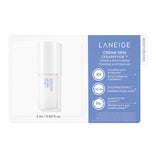
Our Water Bank Blue Hyaluronic Cream Moisturizer combines barrier-supporting ceramides, soothing panthenol and allantoin, and Blue Hyaluronic Acid in one lightweight formula, formulated for a simplified recovery routine. Explore our hydrating skin products collection for more formulas that fit the same approach.
A note on the best routine texture
During recovery, texture matters. Light gel-creams, milky lotions, and cushiony balm-creams feel especially comforting because they deliver hydration without heaviness. If your skin is easily overwhelmed, a simple, minimal formula usually serves you better than a packed routine.
When and How to Safely Reintroduce Active Ingredients
Once your skin feels calmer (less stinging, less flaky, less sensitive), you can start bringing actives back in slowly. The goal isn't to avoid them forever. It's to use them more thoughtfully.
Start one product at a time
Bring back only one active at a time so you can tell how your skin responds. Use it every few nights instead of daily at first.
Pair actives with a supportive routine
As you add actives back in, keep your cleanser gentle and your moisturizer steady. A calm, consistent routine gives your skin something to lean on while you ease back into targeted care products.
Watch for early warning signs
If tightness, burning, or unusual dryness comes back, pause again and simplify. Repairing your skin barrier means paying attention to these signals before they turn into a bigger setback.
Skin barrier damage can feel dramatic, but it usually responds well to consistency rather than complexity. A gentle cleanser, supportive moisturizer, and a little patience are often exactly what your skin needs to feel comfortable again. At LANEIGE, we've formulated our Water Bank collection around exactly this kind of barrier-first care, so your skin already has what it needs. Stay consistent with a low-irritation routine, and you can look forward to skin that looks calmer, smoother, and more resilient.