Think your 9-to-5 is only affecting your schedule? Your skin may be feeling it too.
From long shifts and late nights to air conditioning, outdoor conditions, protective equipment and frequent handwashing, different professions can expose us to a variety of workplace and lifestyle stressors that may affect how our skin looks and feels, leaving it lacking vibrancy and moisture.
To find out which professions experience the highest concentration of these factors, we commissioned new research surveying 2,013 U.S. workers across 30 professions. The findings, based on self-reported survey responses rather than clinical measurement, were used to create our Skin Stressor Index, ranking professions according to reported workplace exposure and lifestyle strain.
For each profession type, respondents were asked to self report exposure across five areas, including indoor stress (artificial light and AC), outdoor stress (UV and extreme temperatures), occupational contact (chemicals, protective equipment, handwashing/sanitizing), lifestyle strain (stress, sleep, diet), and travel and shift strain (commute times and night-working hours), to enable an overall ranking.
So, which jobs came out on top?
America's Most Skin-Stressing Professions

1. Firefighter - 72.1 out of 100
Firefighters take the top spot in the Skin Stressor Index, with a score of 72.1.
Their work combines several different types of stressors, from outdoor temperature extremes and occupational contact (protective equipment) to shift work and lifestyle strain. Firefighters also reported the highest rate of frequent job-related stress of all professions surveyed, at 81%.
2. EMT / Paramedic - 68.1 out of 100
Emergency medical technicians and paramedics ranked second, scoring 68.1.
Their roles can involve outdoor exposure to UV and extreme temperatures, protective equipment, long or irregular shifts and other occupational demands, creating a combination of workplace and lifestyle stressors.
3. Lawyer - 66.8 out of 100
Lawyers recorded the highest indoor stress score of all occupations surveyed, possibly due to long hours spent in the office.
They also scored highly for travel and shift strain, showing that a job doesn't need to take you outdoors to expose your skin to a range of potential stressors.
4. Security Guard - 66.0 out of 100
Security guards ranked fourth overall, with a score of 66.0.
Their work can involve a combination of indoor and outdoor environments, long hours, commuting and night work, all of which contributed to their overall Skin Stressor Index score.
5. Gardener - 62.3 out of 100
Gardening may sound like a relaxing way to spend the day, but gardeners ranked fifth.
Outdoor exposure was a particularly significant factor, alongside lifestyle strain and travel or shift-related stressors.
6. Police Officer - 62.0 out of 100
Police officers ranked sixth, with a Skin Stressor Index score of 62.0.
The role combines outdoor exposure, occupational contact, lifestyle strain and irregular working patterns. Police officers also reported high levels of frequent job-related stress, at 72%.
7. Hairdresser / Beauty Professional - 61.8 out of 100
For the beauty professionals who spend their working days caring for other people's skin and hair, their own skin may be experiencing plenty of workplace stressors too.
Hairdressers and beauty professionals scored highly for occupational contact and lifestyle strain, and 72% reported experiencing frequent job-related stress.
8. Farmer / Agricultural Worker - 61.5 out of 100
Agricultural workers ranked eighth overall.
Unsurprisingly for a predominantly outdoor profession, outdoor exposure was one of the biggest contributors to their score, alongside occupational contact and travel or shift strain.
9. Lifeguard - 56.3 out of 100
Lifeguards ranked ninth, with outdoor exposure playing a particularly significant role in their overall score.
They also reported high levels of travel and shift strain, reflecting the seasonal and often irregular nature of the profession.
10. Actor / Musician - 54.9 out of 100
Rounding out the top 10 are actors and musicians.
Alongside lifestyle strain, travel and irregular schedules contributed to their Skin Stressor Index score. They also reported one of the highest rates of frequent job-related stress, at 66% and one of the lowest sleep averages at 4.51 hrs sleep per day.
Is “Office Air” Stressing Out Your Skin?
Not all skin stressors happen outdoors.
Office workers recorded the highest indoor stress scores in our research. On an average working day, office workers reported spending:
-
6.4 hours under artificial lighting
-
6.2 hours around air conditioning
-
6.1 hours using screens
With around 18 million people working in office and administrative roles in the U.S., that's a lot of time spent indoors. Air-conditioned, low-humidity environments can contribute to moisture loss from the skin, while spending long periods indoors can mean prolonged exposure to other workplace stressors.
If your skin feels tight or dry by the end of the workday, your environment could be one factor to consider.
The Jobs Getting the Least Sleep
It's not just the working environment that matters. Your routine outside of work can also influence how your skin looks and feels.
Across the professions surveyed, U.S. workers reported an average of 5.5 hours of sleep on a normal working day.
The professions reporting the lowest average sleep were:

Sleep is an important part of the body's normal recovery processes. Consistently getting too little sleep can affect how rested and healthy skin appears, while ongoing stress can also influence the skin barrier and contribute to signs of fatigue.
Which Jobs Report the Most Stress?
Across all 30 professions surveyed, 58% of U.S. workers said they often experience stress with their job.
Firefighters reported the highest rate of frequent job-related stress at 81%, followed by flight attendants at 77% and nurses at 74%. Hair and beauty professionals and police officers both reported 72%, while actors and musicians reported 66%.
The top 10 professions reporting frequent job-related stress were:

Is Work Getting in the Way of Healthy Routines?
Sometimes it's the everyday habits that are hardest to maintain when work gets busy.
Our research found that:
-
51% of workers said they drink fewer than eight glasses of water a day.
-
51% said they struggle to make time for regular exercise each week.
-
47% said they eat unhealthy food at work.
-
39% said they skip lunch breaks altogether.
-
64% said their job makes them tired.
-
43% said skincare is a low priority for them.
When your calendar is packed, skincare doesn't need to become another task on your to-do list. Instead, focus on a simple routine that helps support your skin barrier and keeps hydration front and center.

How Can You Help Your Skin After a Stressful Workday?
Different jobs can expose your skin to different stressors, so there's no one-size-fits-all routine. The tips below are general skincare guidance, not treatments for specific skin conditions.
Working outdoors?
Sun, wind and temperature changes can all be factors to consider. Use broad-spectrum SPF and reapply as directed, particularly during long periods outside.
At the end of a shift, cleanse away sunscreen, sweat and debris without scrubbing, then replenish moisture with a hydrating, barrier-supportive moisturizer.
Spending your day in an office?
Conditioned air can leave skin feeling dry, while long hours at a screen can make it easy to neglect regular breaks.
Start with a gentle cleanse, apply a hydrating serum and follow with a moisturizer that helps support the moisture barrier. SPF remains important when working near windows or heading outdoors.
Working in healthcare or a service role?
Masks, helmets and gloves can create friction or trap heat and sweat, while frequent handwashing can also dry out the skin.
Keep the routine simple, avoid harsh or heavily fragranced products if skin feels sensitive, and moisturize areas that feel dry or tight. Use a gentle hand cleanser where possible and apply hand cream after washing to help reduce feelings of dryness. Nurses report an average of 31.6 minutes per working day washing or sanitizing their hands - the highest of the professions surveyed.
Working shifts or late nights?
When your schedule makes consistent sleep difficult, keep the rest of your routine simple.
Avoid over-cleansing, apply moisturizer after washing and use a hydrating product when skin feels dry or tight.
Have a high-stress job?
Stress can affect more than your mood. Prioritizing healthy sleep habits and making time for your skincare routine can be small ways to support your overall wellbeing.
Keep Your Routine Simple
Whatever your job, you don't need a complicated routine to care for stressed-feeling skin.
We recommend:
1. Wash away the day
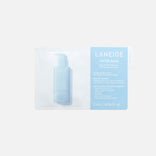
Your skin comes into contact with plenty of environmental buildup throughout the day, from pollution and dust to sweat and sunscreen. A good cleanse at night with our Water Bank Gentle Gel Cleanser helps wash away the day's buildup and leaves skin feeling fresh and ready for the rest of your routine. If you have oily skin, our Balance Mode Rice Foaming Deep Cleanser is designed for you. Keep it gentle, though: cleansing too often or using a formula that’s too harsh can leave skin feeling dry and compromise its moisture barrier.
2. Moisturize to support the skin barrier
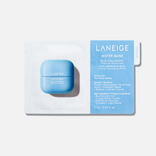
A good moisturizer can help keep skin feeling hydrated and comfortable. Ingredient-wise, look for humectants such as hyaluronic acid, glycerin and panthenol that help skin feel and look more hydrated. Ceramides, cholesterol and squalane can also help skin feel moisturized and comfortable. Our Water Bank Blue Hyaluronic Cream Moisturizer is a great light-weight option!
3. Don't skip SPF
Even on overcast days, your skin can still be exposed to UV rays when you’re outdoors. Applying a broad-spectrum SPF to your face each morning, such as our Hydro UV Defense Sunscreen Broad Spectrum SPF 50+, is an easy step to make part of your everyday skincare routine. Consistent sun protection helps defend against everyday UV exposure, while keeping your skin feeling comfortable and cared for throughout the day.
Your job might be stressful. Your skincare routine doesn't have to be. Browse our products here.
References
[1] With those employed in the 10 occupations with the highest Skin Stressor Index scores, we used the latest BLS and USDA data to estimate the figure of 7 million people.
[2] BLS data was used to arrive at the figure of 18 million office and administrative workers (Source)
[3] CDC recommends 7 hours sleep daily (Source)
Methodology
To create the Skin Stressor Index, LANEIGE commissioned a survey of 2,013 U.S. workers across 30 professions, with a minimum of 50 respondents per profession. The survey was conducted by Censuswide in August 2026.
Survey responses were grouped into five pillars, with each weighted equally at 20% of the overall score:
-
Indoor stress: screen time, artificial light, lack of natural light and air-conditioning exposure.
-
Outdoor stress: summer sun/heat and winter cold.
-
Occupational contact: protective equipment, chemical contact and handwashing/sanitizing.
-
Lifestyle strain: frequent stress, working late, job-related tiredness, drinking fewer than eight glasses of water and skipping lunch.
-
Travel / shift strain: commuting, night work and air travel.
All 30 professions were then ranked from highest to lowest overall score.
Important: A higher Skin Stressor Index score means more reported workplace exposure and lifestyle strain. It does not represent measured skin damage or establish that a profession causes skin damage.
The sleep figures are self-reported and reflect respondents' reported sleep on a normal working day.
Data collected and analyzed in August 2026.