Think your skin is hydrated? These are the states that have the highest skin hydration risk factors
You’ve probably noticed your skin changing this summer, and while your skincare routine plays a big role, there’s more to it than that. Environmental factors where you live may affect skin hydration. However, this can differ from state to state, depending on a variety of factors that are completely out of your control.
To find out which states have the highest concentration of skin hydration risk factors in peak summertime, Jellyfish analyzed a range of metrics, like average air pollution, UV levels, hours of sunshine, humidity levels and skincare-related Google searches per 100,000 people, to create an original scoring system - the Skin Happiness Score. Lower scores indicate a higher concentration of skin hydration risk factors in the index.

The states with the highest skin hydration risk factors
1. Arizona
Arizona ranked first in the index, with the lowest Skin Happiness Score (SHS) of 17.69 out of 100. Last summer, the high PM2.5 air pollution levels reached an Air Quality Index of 107 - tiny particles that penetrate and damage the skin’s barrier. This, teamed with long sunny days (12 hours) and extreme humidity levels, may contribute to oiliness and breakouts in some individuals (*1).
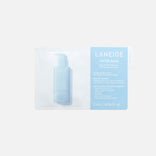
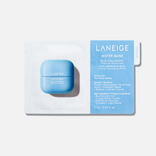
To help keep the skin balanced and your barrier protected, we recommend combining a lightweight moisturizer with a high SPF. Our Water Bank Blue Hyaluronic Cream Moisturizer paired with our Hydro UV Defense Sunscreen Broad Spectrum SPF 50+ is designed to help soothe your skin and support lasting hydration.
2. Nevada
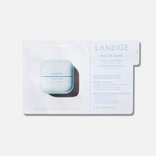
Nevada’s combination of high July sunshine hours (an average of 13 per day), moderate humidity levels and lower air pollution levels (AQI 52) could leave skin feeling tight. We recommend using a more intense moisturizer to combat the higher sunshine hours and help nourish the skin. Use our Water Bank Intensive Moisturizer for rich, balmy, comforting hydration and skin barrier support.
3. Colorado
If you live in Colorado, you’re living in the state with the highest ozone air pollution level (105) across all of the U.S., with moderate humidity levels. When humidity is lower, environments tend to draw moisture out of the skin, leading to dryness, tightness and flaking, while elevated ozone levels can damage the skin by triggering oxidative stress and stripping away protective antioxidants like Vitamin C and E (*2,3,4).
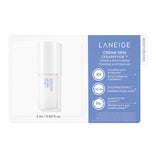
The key to tackling this tricky environment is to use a hydrating ceramide-rich[1.1][2.1] toner to deliver soothing and nourishing hydration, like our Cream Skin Toner & Moisturizer, followed by our Water Bank Blue Hyaluronic Serum for deep, lasting hydration.
4. Texas
If you’re based in Texas, you’ll be pleased to know that it has one of the lowest air pollution levels (AQI 32) across all of the U.S., but extremely high humidity levels. However, the good news is this can actually help the skin maintain hydration (*1).
Although with a high UV level of 11 we recommend using a high SPF sunscreen, so it’s important to cleanse at the end of your day to ensure you’re removing sunscreen, makeup and any pollutants that’ve stuck to your skin. Why not try our Perfect Renew Nourishing Oil-to-Foam Cleanser?
5. Utah
Utah has an average of 12 hours of daily sunshine, high humidity levels, and an average UV level of 10. However, its more moderate ozone and PM2.5 air pollution levels give it a slightly higher SHS.
A lightweight moisturizer, such as the Water Bank Blue Hyaluronic Gel Moisturizer, along with a non-greasy SPF formula, can help keep skin hydrated without clogging pores in a climate like this.

It's not all dehydration and compromised skin barriers though. Some states score much higher and offer conditions that are more favorable for lush, hydrated skin.
So which states have the highest Skin Happiness Scores and more favorable skin hydration factors?
1. Alaska - 93.9
Alaska scored 93.9 on the Skin Happiness Score. With a low humidity level and low UV level of 5, this state’s conditions are more favorable for maintaining skin hydration.
2. Washington - 74
Despite having higher sunshine hours per day (10), Washington actually ranks second for the highest Skin Happiness Score thanks to its low air pollution levels (12) and lower than average UV level (7).
3. New Hampshire - 68.67
Despite a moderate humidity and UV level (8) in comparison to the other top-ranking hydrated skin states, New Hampshire scored 68.67 and came in third place.
4. Vermont - 68.35
Vermont actually has lower humidity levels than New Hampshire, yet it ranks below due to its air pollution levels.
5. Oregon - 66.38
Despite quite high average hours of daily sunshine in Oregon (11), this state scored low on air pollution scores and humidity levels, ranking it as the fifth-highest Skin Happiness Score.
In states with lower UV levels, we still recommend using a daily sunscreen[5.1][6.1] to protect your skin from UV rays and premature aging.Our Hydro UV Defense Sunscreen Broad Spectrum SPF 50+ is a cool, refreshing gel that is hypoallergenic, dermatologist-tested, and suitable for sensitive skin.

Tips for Keeping Skin Hydrated
To keep your skin hydrated and healthy, we recommend:
- Protect your skin from pollution: Make sure you're washing the day off with a cleanser to remove debris and pollutants. Avoid over-cleansing or harsh cleansers that can weaken the skin's moisture barrier.
- Every day is an SPF day: Wear SPF daily, regardless of UV levels or cloud cover. Daily sun protection helps support hydration while helping protect against visible signs of premature aging.
- Hydration and barrier support go hand in hand: Look for ingredients like hyaluronic acid, glycerin, panthenol, ceramides, cholesterol, and squalane to support hydration and help reduce moisture loss.
- Pay attention to signs of barrier stress: Tightness, redness, sensitivity, rough texture, and persistent dryness can indicate that your moisture barrier needs additional support.
- Don't overdo it when humidity is high: Avoid overwashing and instead focus on lightweight, water-based hydration and non-greasy SPF products.
- Check your local water supply: Hard minerals, contaminants, and pH imbalances in water may affect skin health when washing (*5,6).
References
- ‘Managing acne in humid weather’ - Dr Joel Schlesinger MD [Source]
- ‘Why Low Humidity Levels In the Air Dry Out Your Skin’ Art of Dermatology NY - Dr Jessica Krant [Source]
- 'Effects of Air Pollution on Cellular Senescence and Skin Aging’ - Ines Martic, Pidder Jansen-Dürr, Maria Cavinato (section 4.3) - [Source]
- ‘Oxidative Contribution Of Air Pollution To Extrinsic Skin Ageing’ - Julia C Fussell, Frank J Kelly (section 5.1) - [Source]
- ‘The Hard Truth About Eczema: It's Something In The Water’ - Dr. Cynthia Cobb, Michelle Wong PhD - [Source]
- 'Water Hardness and Skin issues’ - Pudasaini Ravindra, February 2023 [Source]
Methodology
Jellyfish analyzed six data points that can affect skin hydration across all 50 U.S. states, including ozone, PM2.5, average UV level, daily sunshine hours, humidity and skincare-related Google searches per 100,000 people. Each factor was converted to a 0-100 ranking score and averaged to create an overall Skin Happiness Score. Lower scores indicate a higher concentration of skin hydration risk factors, while higher scores indicate more favorable skin hydration factors. Environmental data reflects early July 2025; analysis collected in June 2026.