Dry lips have a way of arriving quietly: a little tightness after coffee, a faint rough patch by midday, a lipstick that suddenly looks less polished than it did an hour ago. The good news is that preventing dry lips is usually less about dramatic fixes and more about consistent hydration habits. With the right routine, you can help keep lips soft, smooth, and comfortable year-round.
As a Korean skincare brand built on hydration science, we approach lip care the same way we approach skin care: proactively. Instead of waiting for dry, flaky lips to become obvious, we believe in supporting the lips’ delicate barrier every day with moisture-forward ingredients and mindful habits. Think of it as giving your lips a cushion of comfort before they ever feel parched.
Why Lips Become Dry
Lips are uniquely vulnerable because the skin on them is thinner and has fewer oil glands than the skin on the rest of your face. That means they can lose moisture more quickly, especially when the air is dry, temperatures shift, or daily habits work against hydration. Common reasons lips feel dry include:
-
Cold, windy weather or low indoor humidity
-
Frequent lip-licking (lips can feel drier once saliva evaporates)
-
Skipping lip care before bed
-
Harsh or overly matte lip products that make lips feel tight.
-
Regular sun exposure without lip SPF
If you've ever wondered how to get rid of dry lips, the first step is understanding what keeps them dry in the first place. Prevention is usually easier than recovery.
How do you stop lips from getting dry?
Consistency helps most: use a hydrating lip balm throughout the day, defend lips against environmental stressors, apply a nourishing lip mask at night, and avoid moisture-stripping habits (like lip-licking). Small, repeated steps make a visible difference.
Daily Habits That Prevent Dryness
A few easy habits can help reduce the chances of developing dry, flaky lips:
-
Keep lip balm within reach: Place it where you will actually use it—by your toothbrush, in your tote, at your desk, or in your car. Apply before lips feel uncomfortable.
-
Reapply after meals and drinks: Eating and drinking wear away the product; reapplying supports a more consistent moisture layer and helps lipstick look smoother.
-
Defend lips against the elements: Wind, sun, and cold air contribute to dryness. Choose formulas that seal in moisture, and consider SPF for daytime.
-
Hydrate from the inside and around you: Water intake supports overall skin comfort. Low humidity from heat or air conditioning can worsen dryness, so a humidifier can help.
-
Avoid the lip-licking trap: Relief is brief, and evaporation can leave lips drier. Reach for balm or a mask instead.
Key Hydrating Ingredients
When choosing products to help prevent dry lips, ingredient quality matters. The best formulas do more than coat the surface; they support comfort, softness, and a smoother-looking finish.
At LANEIGE, we understand how to pair wearable textures with ingredients that help lips look and feel healthier. For example, our antioxidant-rich Berry Fruit Complex can help soften the look of dead skin on the lips, while we use Vitamin C to safeguard against the external aggressors that can contribute to dryness and discomfort.
The three ingredient types that matter most
-
Humectants (hydration magnets): Ingredients like hyaluronic acid and glycerin attract and retain moisture, helping lips feel plumper and more supple.
-
Emollients (softeners): Ingredients like Shea butter, squalane, and plant oils help smooth rough texture. Many LANEIGE formulas use coconut oil, Shea butter, and Murumuru Seed butter to moisturize and condition.
-
Occlusives (the moisture seal): These wax-like ingredients help reduce moisture loss by forming a defensive layer between your skin and the outside world.
Why formula texture matters
The most effective products are often the ones you enjoy enough to use every day. A lightweight balm may be ideal for daytime, while a richer sleeping mask can support overnight moisture. Choosing textures you’ll use consistently helps make lip care a daily maintenance routine rather than an emergency rescue.
Morning Lip Care Routine
A thoughtful morning routine helps create a smooth base that looks polished on its own or under makeup:
-
Start with a gentle reset: After cleansing, lightly wipe away any residue from the night before. Avoid aggressive scrubbing, which can sensitize lips.
-
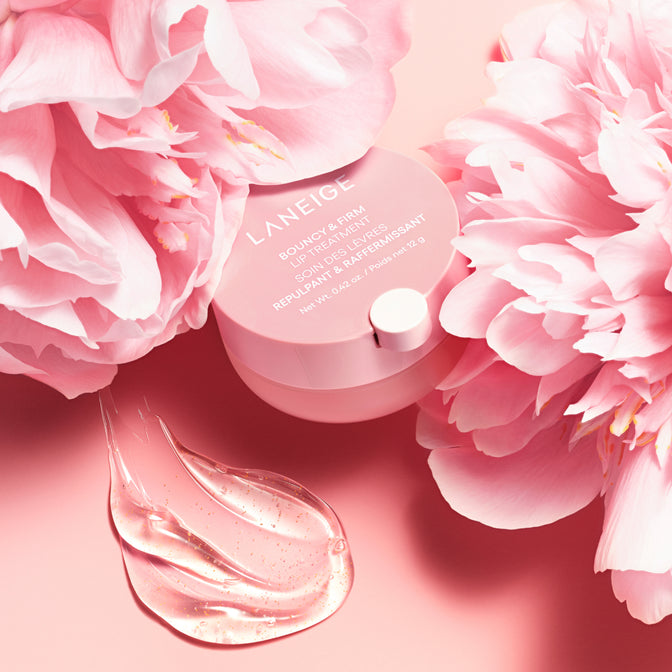
Apply a hydrating balm first: Use a lip balm for dry lips that offers cushion without heaviness. Apply before makeup so it has time to absorb; lipstick tends to glide on more evenly. If you prefer a hydrating wash of colour instead of traditional lipstick, try our Glaze Craze Tinted Lip Serum or Lip Glowy Balm.
-
Add SPF when you will be outdoors: Sun exposure is an often-overlooked contributor to dryness, so lip SPF can help.
Nighttime Lip Care Routine
Night is when lip care can be especially restorative. While you sleep, you’re not rehydrating by drinking, and indoor air can be very dry—so an overnight product can play an important role.
A simple nighttime routine
-
Cleanse and prep: Remove makeup and long-wear color before applying your nighttime product so it sits evenly.
-
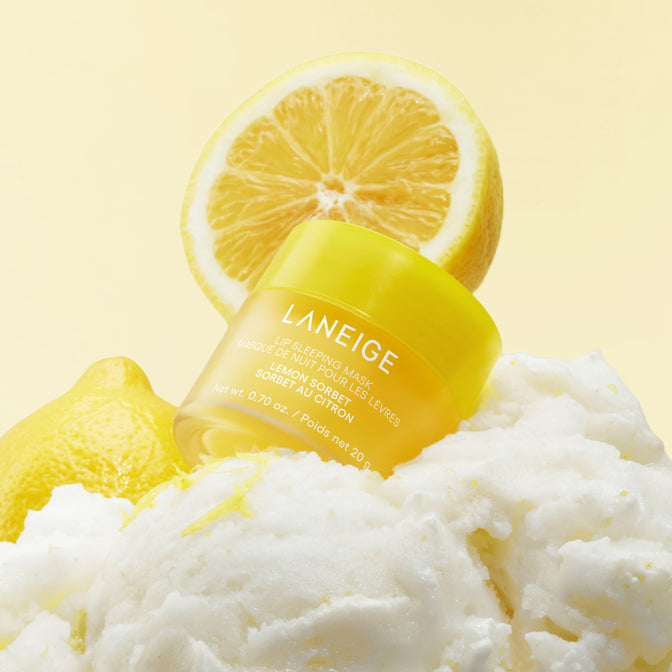
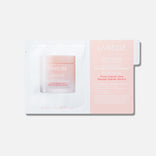
Use a lip sleeping mask or richer balm: A nourishing overnight formula, such as our Lip Sleeping Mask, helps lock in comfort so you wake up to a smoother-looking surface. This formula combines moisturizers and conditioners (like coconut oil, Shea butter, Murumuru Seed butter) with humectants like Glycerin. Our Berry Fruit Complex also helps address the look of dry, flaky lips.
-
Apply a little more in dry weather: In winter or very dry environments, a slightly thicker layer can help if you wake up feeling tight.
Why do my lips get dry overnight?
Lips often feel drier in the morning because you’re not replenishing moisture while you sleep, indoor air can be dry, and mouth breathing or winter heating can contribute. A richer nighttime balm or sleeping mask can help support moisture overnight.
Common Mistakes to Avoid
Sometimes the smallest habits create the biggest dryness triggers:
-
Over-exfoliating: Too much scrubbing can leave lips more vulnerable. If you exfoliate, keep it gentle and occasional—hydration should be the foundation.
-
Using lip balm only when lips already feel dry: Lip balm works best when used consistently, not only as a last resort.
-
Choosing formulas that feel uncomfortable: If something stings or feels drying, you’re less likely to use it regularly.
-
Ignoring seasonal shifts: Lips often need more support in winter, during travel, or with indoor heating—adjust your approach as you would your moisturizer.
How often should you apply lip balm?
As often as needed to keep lips comfortable. Many people benefit from applying in the morning, after meals, before outdoor exposure, and before bed. If lips still feel tight, add another layer rather than waiting for dryness to worsen.