Do you ever do your full skincare routine before bed, but still wake up with tight or dull-looking skin? You're not imagining it. While you sleep, your skin is quietly losing moisture through a process called transepidermal water loss (TEWL), and if your nighttime routine isn't addressing it, your skin feels the difference by morning.
The good news: addressing it doesn't require a complicated routine. Learning how to hydrate skin overnight really comes down to 3 moves—cleansing gently, layering the right ingredients, and sealing everything in before you close your eyes. Get your routine right, and your skin can wake up looking plumper and ready for the day.
At LANEIGE, we're the Sleep Care Experts, pioneers in sleeping masks and sleep care technology, backed by decades of skincare research in our Korean labs. Our hydrating formulas lean on barrier-supporting, moisture-locking ingredients like Blue Hyaluronic Acid, ceramides, and our proprietary Pepta-Panthenol Complex™, all formulated to work while you get your beauty sleep. Here's how to put together a routine that hydrates your skin by morning.
Why does skin lose moisture overnight?
Your skin barrier works around the clock, even while you sleep. Moisture is always moving through it, but when the barrier is compromised, or you're dealing with dry air and weather, more of it escapes than it should. That's transepidermal water loss (TEWL), the main reason skin can feel rougher or look duller than it did the night before.
A few common culprits are:
-
Dry indoor heating or air conditioning
-
Cold weather and low humidity
-
Harsh cleansers or over-exfoliating
-
Skipping moisturizer
-
Pillow friction
What happens if you don't moisturize your face at night?
Nighttime is when your skin gets to focus on repair instead of defense. Without supporting that process, you're basically asking your skin to tackle a new day before it's recovered from the last one, and over time this can take its toll.
What a good overnight hydration routine does for skin
Skip moisturizer for even one night, and you'll likely notice it: skin can feel tight, look duller, and make your makeup harder to blend the next morning. Support your barrier before bed with ceramides and soothing ingredients like allantoin, and your skin has a much better shot at holding onto that hydration until your alarm goes off.
What a good overnight hydration routine does for skin
Night is the best time to hydrate. Skin isn't dealing with sun, pollution, or a face full of makeup, so it can focus purely on repair and moisture retention. A solid overnight routine can:
-
Support the barrier's moisture balance (ceramides and our Pepta-Panthenol Complex™ do a lot of that work)
-
Leave skin looking less dull and more awake by morning
-
Create a plush feel overnight
-
Give makeup a smoother canvas to sit on the next day
It's less about piling on product and more about setting the stage so moisture actually stays put.
Your step-by-step nighttime hydration routine
1. Cleanse gently. Start with a mild cleanser that lifts off makeup, SPF, and the day's residue without leaving skin feeling stripped. If your face feels squeaky clean afterward, that's a sign your cleanser is stripping more than it should.
2. Layer on a hydrating toner or essence. This step lays down your first layer of moisture and preps skin for everything that follows. Look for glycerin, panthenol, or our signature Blue Hyaluronic Acid.
3. Apply a hydration-focused serum. A lightweight serum delivers concentrated moisture without feeling heavy. Smooth it on while skin is still slightly damp; that's when ingredients absorb best. Look for:
-
Glycerin, which locks in moisture and cuts down on water loss
-
Hyaluronic acid, especially our Blue Hyaluronic Acid, which helps strengthen the moisture barrier against water loss
-
Panthenol, which supports hydration and leaves skin feeling soothed
-
Squalane, which locks in moisture and leaves skin feeling soft
-
Beta-glucan, which retains moisture for steady hydration
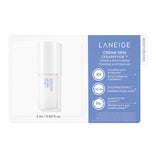
4. Seal it in with moisturizer. Reach for a moisturizer with ceramides to reinforce the barrier, plus peptides or our Pepta-Panthenol Complex™, which visibly firms, soothes, and fortifies your moisture barrier. Dry skin can lean into a richer cream; combination or oily skin can go lighter with a gel-cream that still locks moisture in place.
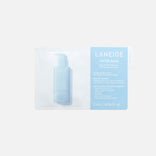
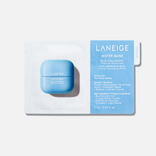
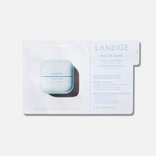
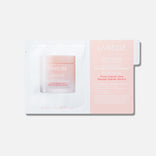
5. Finish with a sleeping mask (optional, but worth it). If your skin is especially thirsty, a sleeping mask is the final layer that keeps moisture from evaporating overnight—think of it as a cover for everything you just applied. Choose a formula that targets your skincare priority. Our Water Sleeping Mask is designed to hydrate and brighten overnight, while our Cica Sleep Mask delivers soothing barrier support to sensitive skin. To target fine lines, try our Bouncy & Firm Sleeping Mask to wake to visibly plumped skin.
How do you deeply hydrate skin overnight?
Layering does most of the real work. Cleanse gently, build up moisture with humectants like glycerin and beta-glucan, then seal it in with a ceramide-rich cream or sleeping mask. Our micro-sized Blue Hyaluronic Acid helps that last layer sink in deep and last longer.
Best overnight hydration products: creams, oils, and sleeping masks
When you're choosing products for overnight hydration, texture matters almost as much as the ingredient list. The best formula is the one that feels good on your skin and delivers moisture without ever feeling greasy or heavy.
-
Creams: The right call if your skin wants a richer, plush feel, especially useful in dry seasons or air-conditioned rooms. Combination or oily? A lighter gel-cream still delivers a fresh, hydrated finish.
-
Serums: Optional, but a few drops over moisturizer adds one more layer of protection. Best for skin that loves a super glowy finish.
-
Sleeping masks: Formulated to hold moisture at your skin's surface overnight. For a comfortably bouncy feel, look for deep hydrators like Blue Hyaluronic Acid alongside barrier-supporting ceramides and soothing ingredients like allantoin.
Browsing options? Our hydrating skincare collection is a good place to start, with formulas that fit both minimalist routines and more layered ones.
Which ingredients should you look for?
Keep it simple: focus on ingredients that attract and hold onto water. Hyaluronic acid, glycerin, and panthenol are the staples, but our Blue Hyaluronic Acid goes further, absorbing deeply and lasting longer than standard hyaluronic acid. For a more replenishing feel, add squalane and ceramides to the mix; ceramides reinforce your skin barrier directly. And if your skin runs sensitive or feels stressed, allantoin can help soothe.
Small habits that support overnight hydration
The right formula matters, but so does your bedroom. A few small adjustments should help your skin hold onto moisture all night and into the morning:
-
Run a humidifier if your bedroom air tends to run dry
-
Keep your room comfortably cool rather than overheated
-
Skip harsh scrubs or exfoliants right before bed
-
Swap pillowcases regularly to cut down on friction and buildup
-
Drink water throughout the day so your skin has something to work with come nighttime
-
Try to keep fans and vents from blowing directly on your face while you sleep
Hydrating your skin overnight is simple: cleanse gently, layer on products with hydrating ingredients like glycerin, panthenol, and hyaluronic acid, then seal it all in with our award-winning Water Sleeping Mask, packed with squalane, niacinamide, ceramides, and our 3x Hyaluronic Night Blend for deeper hydration overnight. Stay consistent, and soon you'll be waking up with skin that's refreshed and ready for the day before you've even had your coffee.